
LIBOR Transition Briefing: The Transition to Alternative Reference Rates
- Rob Toomey and Chris Killian
The transition from the London Inter-bank Offered Rate (LIBOR) to alternative interest rate benchmarks is well underway, but much work lies ahead in order to implement a successful reference rate change by the end of 2021.
LIBOR is calculated based on submissions from selected panel banks and most of these submissions are based on judgment rather than on actual transactions. Bank funding has increasing become longer-term, due to regulatory and other pressures, and as a result, the underlying market LIBOR attempts to measure is no longer liquid. The Financial Conduct Authority (FCA), which regulates LIBOR’s administrator, has secured panel bank support to continue submitting to LIBOR until 2021, after that the future of LIBOR is not guaranteed.
SIFMA recently released a SOFR Primer that features an overview of the LIBOR transition and an actionable checklist. Our global affiliate, the Global Financial Markets Association (GFMA), has developed a series of products outlining the various parts and players in developing overnight, nearly risk-free rates and the transition process from Interbank Offered Rates impacting globally active financial institutions. These include key timelines and milestones for the U.S. dollar, Japanese yen, Euro, UK pound sterling and Swiss franc; a snapshot of the IBOR and risk-free rate variables associated with each currency; and an ‘at a glance’ tracker of each official sector working group’s activities and near-term expected actions.
SIFMA will continue to be very involved in this critical transition and implementation effort, including through our work with the Alternative Reference Rates Committee (ARRC) of the Federal Reserve Bank of New York. While the end of 2021 may seem far away, it will arrive in less than 900 days: this is an initiative we must give our full attention to today.
It is within this context that policymakers at the center of the transition gathered in NYC on Monday, July 15 to discuss what financial firms need to do to prepare to ensure a sound, coordinated industry effort.
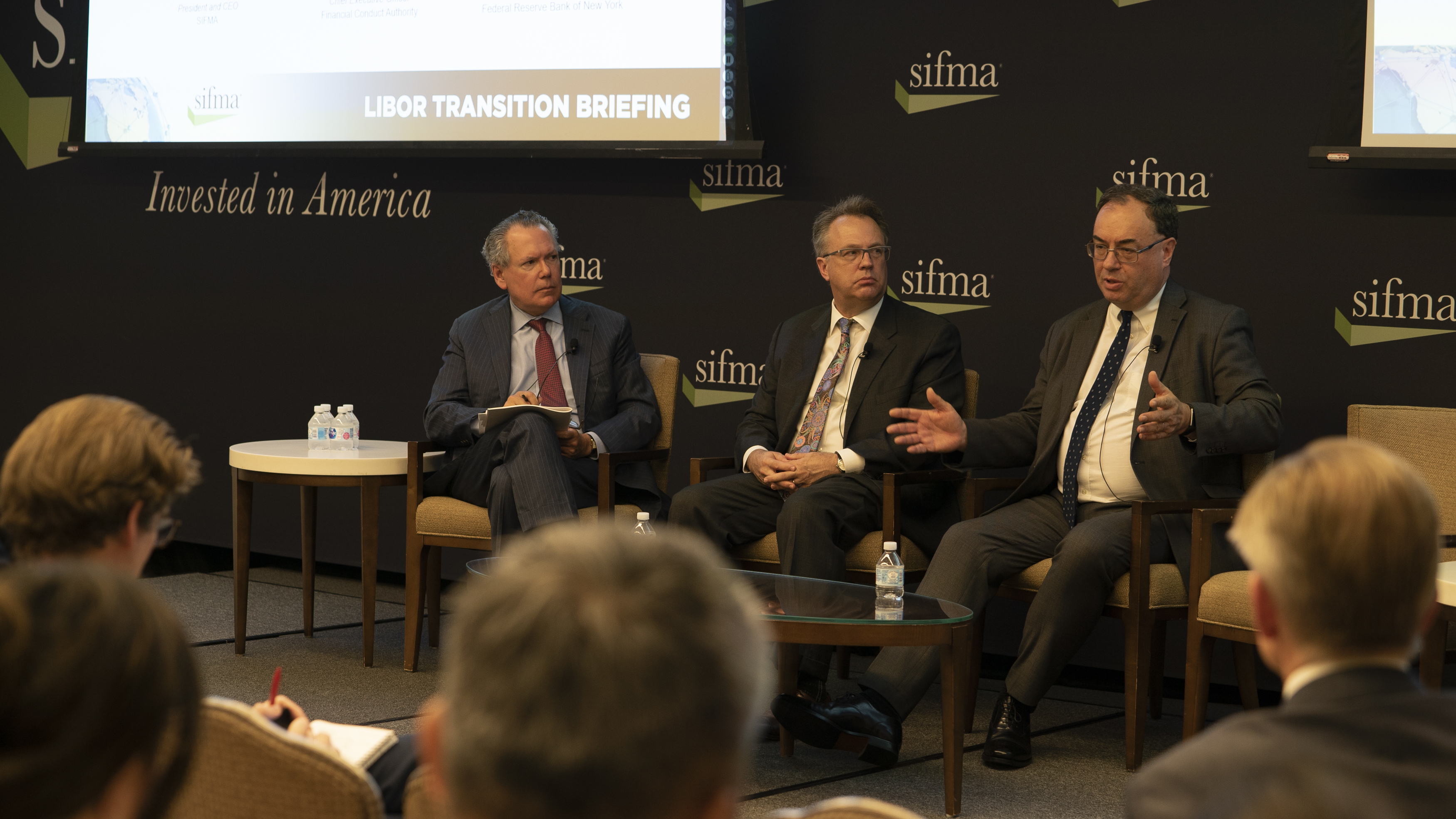 Ken Bentsen, President and CEO of SIFMA, interviews John Williams, President and CEO of the Federal Reserve Bank of New York, and Andrew Bailey, CEO of the Financial Conduct Authority (FCA), on how regulatory focus on the LIBOR transition will develop over the coming months.
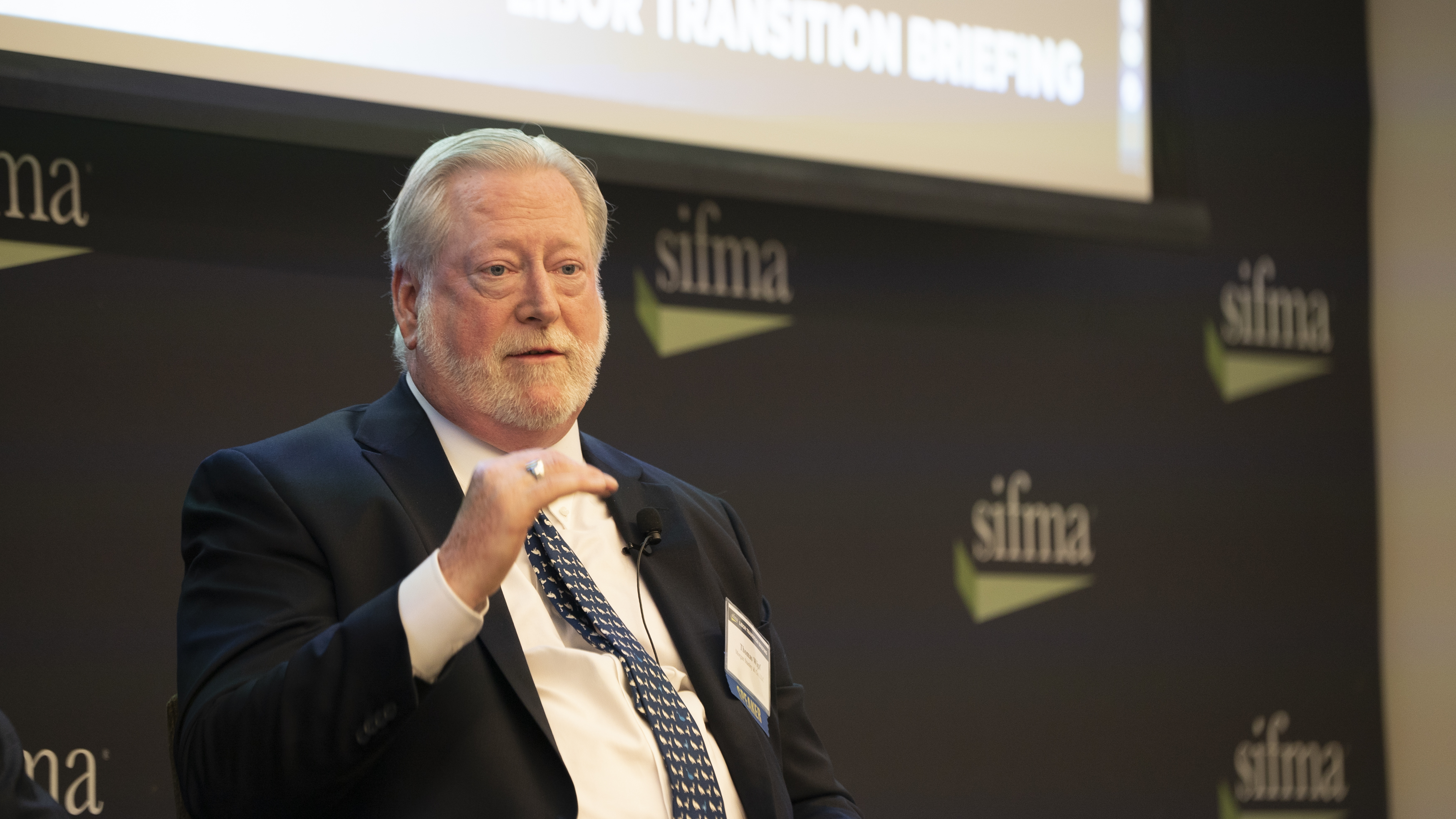 Tom Wipf, Vice Chairman of Institutional Securities at Morgan Stanley and Chair of the ARRC, touches on the goal of the ARRC saying, “Consumer products need to be treated with the highest standard of care.”
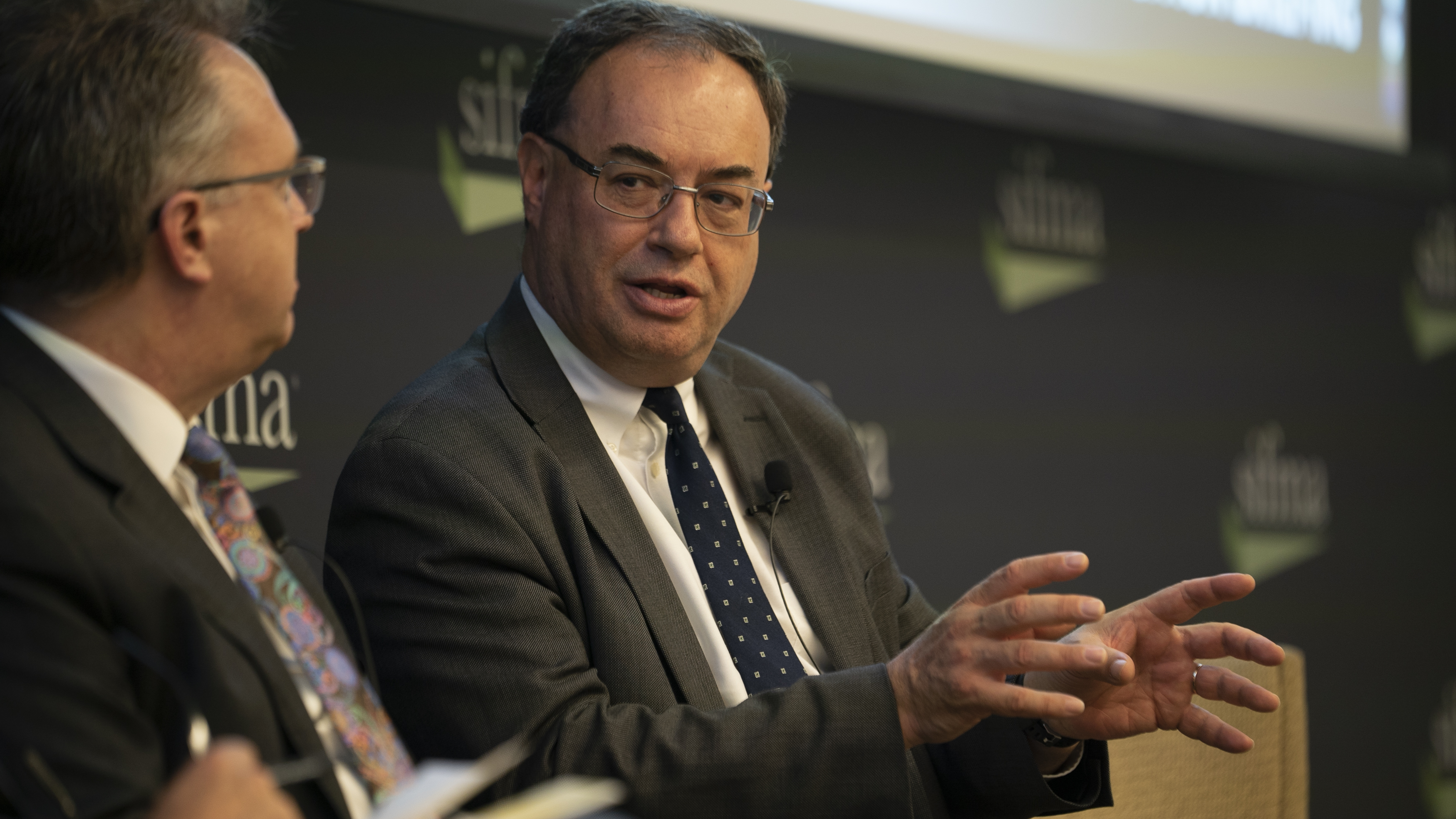 Andrew Bailey, CEO of the FCA, emphasizes that the “base case assumption should be that there will be no LIBOR publication after end-2021. The future for those still on LIBOR will be more uncertain than ever. Transition – and transition comfortably before end-2021 – is a better choice.”
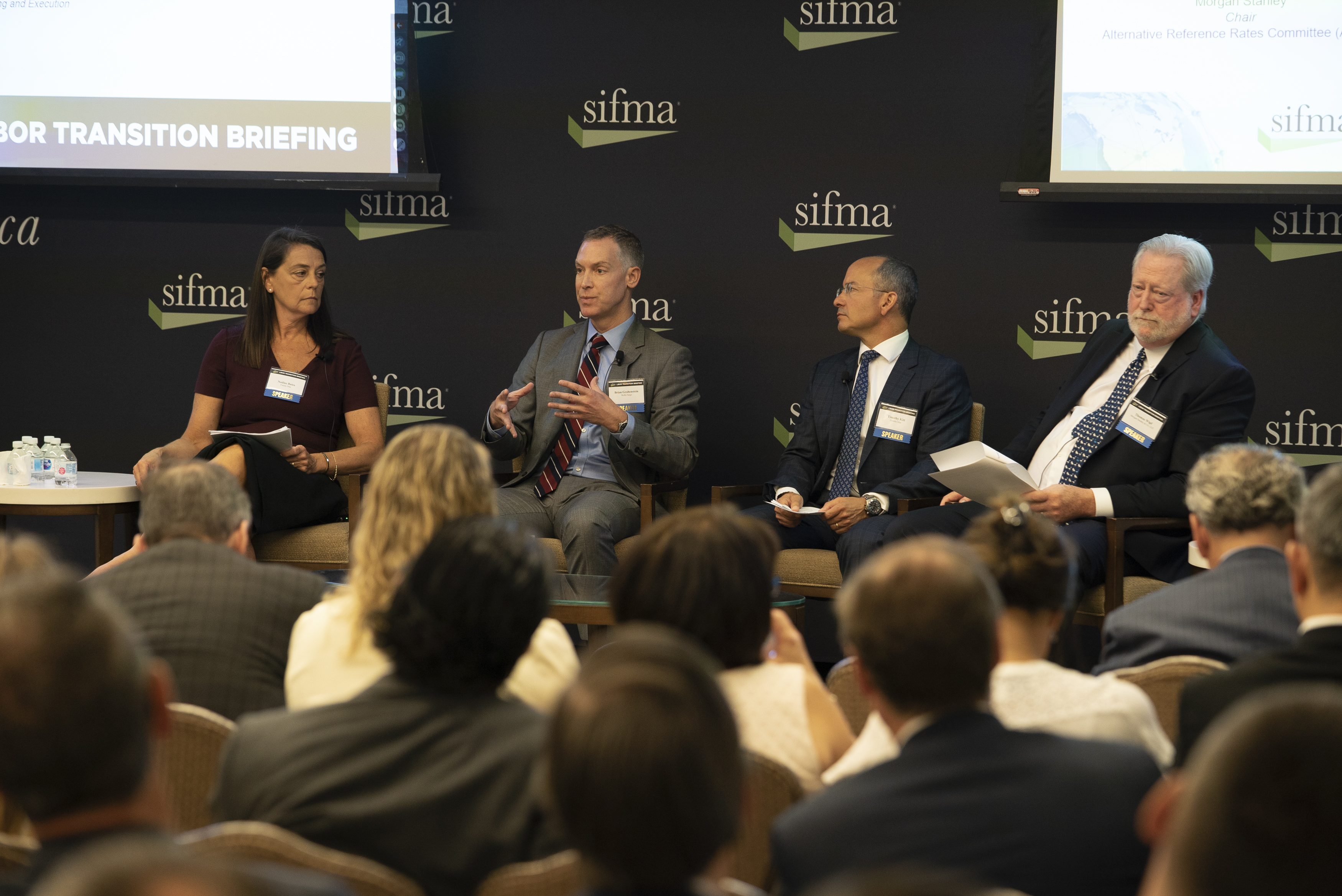 When asked why it’s important to act now, Brian Grabenstein, Head of LIBOR Transition Office at Wells Fargo says, “It takes a lot of time to recognize what models will be affected, so understanding what all needs to be changed and putting together a road map will quite easily become a challenge.”
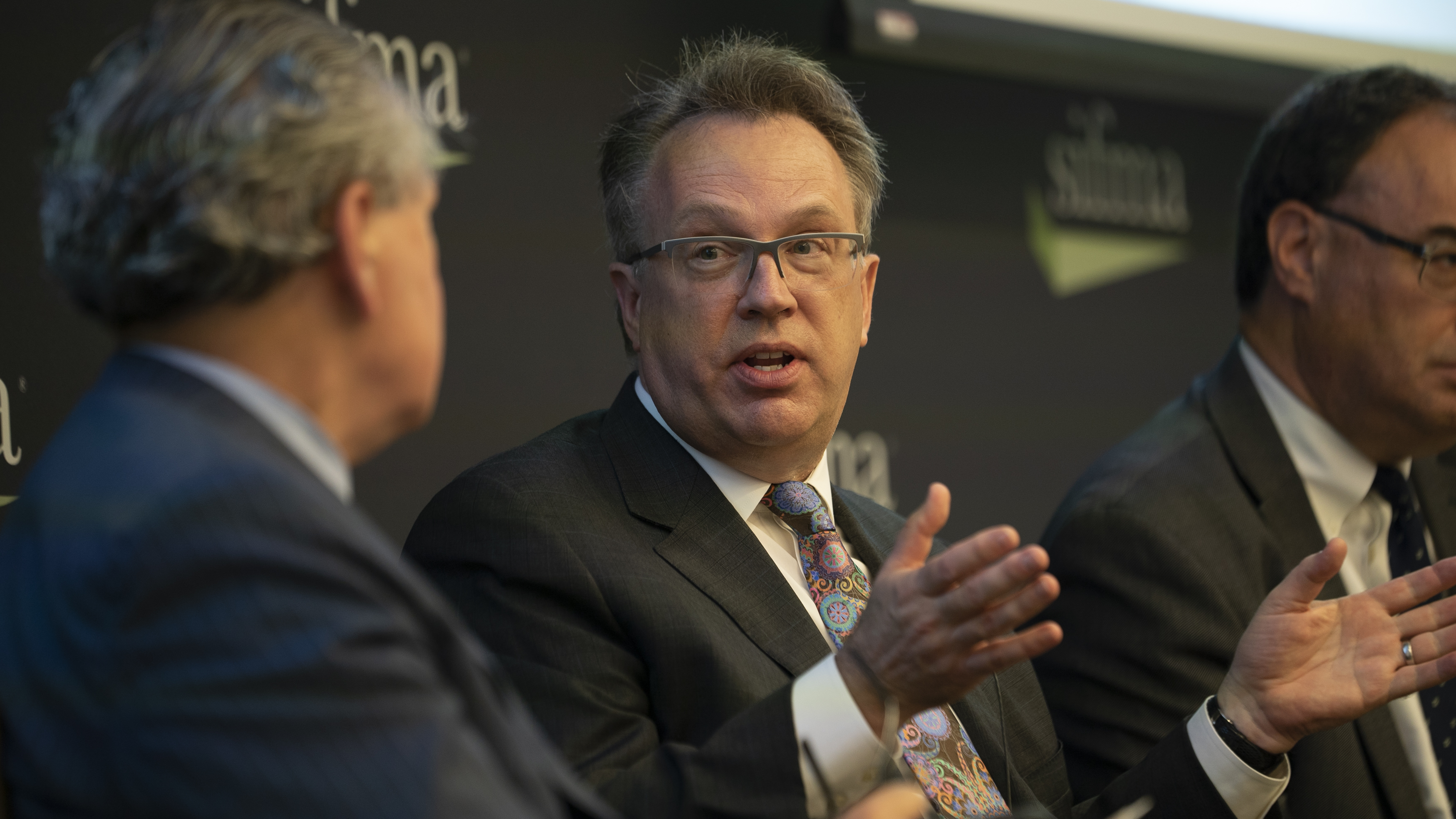 John Williams, President and CEO of the Federal Reserve Bank of New York, underscores prioritizing the switch away from LIBOR saying, “In my view, the biggest challenge isn’t liquidity or the creation of a term rate, it’s a willingness on the part of the market to stop using LIBOR. We need a mindset shift where firms realize that every new U.S. dollar LIBOR contract written digs a deeper hole that will be harder to climb out of.”
Interested in learning more about the transition from LIBOR to alternative interest rate benchmarks? Check out Keeping Up With the ARRC and SOFR Primer: The Transition Away from LIBOR.
Rob Toomey is Managing Director Associate General Counsel for SIFMA and Chris Killian is Managing Director of Securitization and Corporate Credit for SIFMA.