Inside the 2027 SIFMA C&L Annual Seminar
- SIFMA Editors

The compliance and legal landscape is changing quickly. New technologies are reshaping markets and firms themselves, longstanding regulatory obligations are meeting new business models, and practitioners are being asked to provide guidance in areas where the answers are still developing.
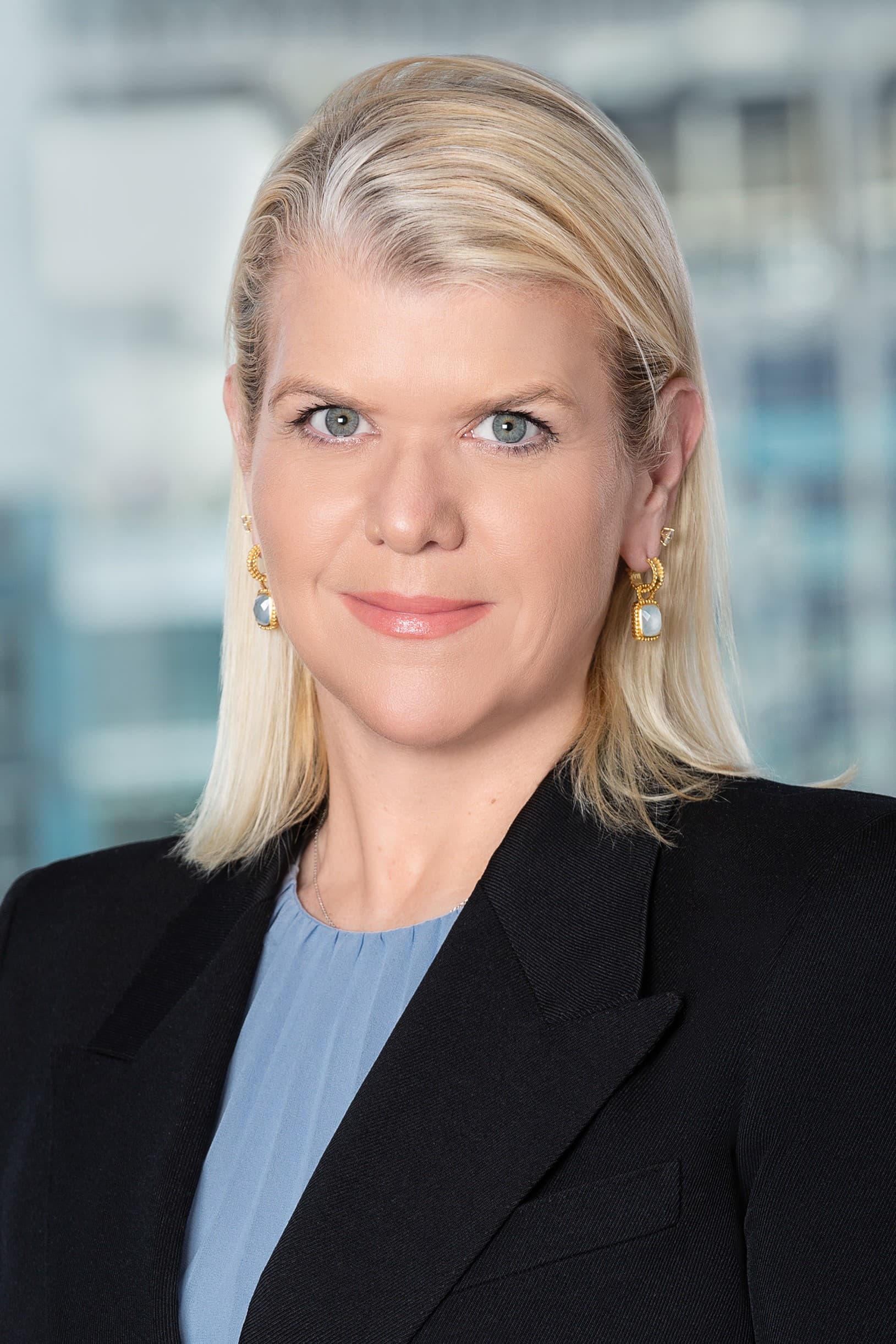
Against that backdrop, planning is underway for the 2027 SIFMA C&L Annual Seminar, March 14–17 in San Diego. We spoke with Seminar Chair MaryBeth Findlay about what the C&L community is asking for, how the Planning Committee is building this year’s program, and what she hopes attendees will take back to their firms.
As Chair of the 2027 C&L Annual Seminar, what are you and the Planning Committee hearing from the compliance and legal community as you shape this year’s program?
One thing we hear again and again is that people want the opportunity to talk to each other.
The landscape is changing quickly, and compliance and legal professionals want practical guidance they can actually use. But they also want to hear what their peers are seeing and doing—to compare approaches, understand where challenges are emerging and, ideally, look around the corner at what may be coming next.
Meanwhile, technology is changing the way our functions operate. Compliance and legal teams are doing more with technology than ever before, including exploring more advanced uses of AI. We need to be thinking not only about how technology is transforming the markets and businesses we oversee, but also about how it can improve the way we work.
The Planning Committee is building the program around those needs: What will help the practitioners in the room? Where can we provide concrete guidance? And how can we use new tools while still preserving the value of face-to-face conversation and connection?
The Seminar has always balanced enduring areas of focus with the issues changing fastest. What topics or developments are rising to the top for 2027?
There are four topics that never go out of style: supervision, enforcement, investor protection, and ethics. Those remain fundamental to the work compliance and legal professionals do.
At the same time, some areas are evolving extraordinarily quickly. Market structure, tokenization and digital assets are changing. Questions around data and privacy—including the Consolidated Audit Trail (CAT)—continue to develop. And firms are working through how to adopt, govern and appropriately use new technologies, particularly AI.
With approximately 70 breakout sessions planned across Banking, Capital Markets, Compliance, Ethics, Litigation, Enforcement & Arbitration, Retail & Private Client, and Technology, we also have an opportunity to offer different levels of depth. We heard clearly from the community that experienced practitioners want more advanced discussions, so we are expanding the number of sessions designed for a more seasoned audience.
Think about crisis management. There is value in understanding how to establish a crisis-management framework, but there is another conversation to have when something has happened, the issue has reached the board, and decisions need to be made quickly. We want to create space for those “2.0” discussions and really get into the difficult questions—whether that is crisis management, surveillance, workforce issues or other areas.
At the same time, the Seminar will still provide grounding in core issues and serve professionals with different areas of expertise and at different points in their careers. We are also expanding opportunities to meet professional requirements, including the ability to attend an ethics session on each of the Seminar’s three program days.
Your own role spans commercial banking and a broad range of enterprise functions. From that vantage point, where are compliance and legal teams facing the greatest change—or opportunity—right now?
The biggest opportunity is where new technology meets longstanding obligations.
Compliance and legal teams increasingly have an opportunity to be involved earlier in product, platform and technology decisions. If we are at the table at the outset, we can help build the right controls and optimize the design rather than trying to address issues after the fact. Done well, that can make a firm both faster and safer.
There is also a real opportunity to simplify how we work. Technology and automation can help eliminate duplicate processes, streamline routine work and allow people to spend more of their time on the areas where judgment and experience matter most.
AI is a good example because it is still new for everyone. Firms are learning at the same time—how to use these tools, how to govern them and how to capture their benefits responsibly. That makes it especially valuable for practitioners to compare experiences and learn from one another.
With so much happening across regulation, technology and the markets, how is the Planning Committee thinking about what practitioners most need from the Seminar?
It comes down to both practical guidance and perspective.
Whether you work at a large firm or a regional firm, you want to leave with ideas you can bring back to your organization. That is why we are pushing our panels beyond simply describing a rule change or regulatory development. We want to get to the next questions: How are firms actually responding? What does implementation look like? Where are people encountering challenges? What approaches are working?
Having regulators in the room is also tremendously valuable. It gives attendees an opportunity to hear directly from policymakers and supervisors and to better understand how they are thinking about the issues affecting our industry.
Conversations with peers, regulators and other practitioners are an enormous part of the value of the Seminar. Some of the most valuable exchanges happen outside the formal program—in the hallways, over coffee or between sessions. You may hear someone describe a completely different way of approaching a problem you have been wrestling with. Those conversations are difficult to replicate anywhere else.
When the C&L community gathers in San Diego next March, what are you most looking forward to—and what do you hope attendees will take back to their firms?
I love the energy of this community when everyone gets together.
I’m looking forward to the range of perspectives we’ll have in the room—from Rich Steinmeier, CEO of San Diego-headquartered LPL Financial, to Robert Cook, President and CEO of FINRA; Jamie MacDonald, U.S. Attorney for the Southern District of New York; and David Woodcock, Director, Division of Enforcement at the U.S. Securities and Exchange Commission.
We’ll also bring together senior general counsels for a conversation about the legal, regulatory and business issues shaping financial services, including Stephanie Avakian of Barclays, Dan Gallagher of Robinhood, and Eric Grossman of Morgan Stanley.
I’m equally excited to see future leaders in our profession taking on bigger roles in the program and in the community, and to reconnect with colleagues I may not have seen since the last Seminar.
The Seminar is also an opportunity to connect with regulators, law firms, technology providers and others who support the industry. As tools become more important to how compliance and legal functions operate, there is real value in meeting the people behind those tools, understanding what is available and exploring new approaches.
I hope everyone leaves San Diego having learned something they can use and having made a few new connections. Hearing how someone else approaches the same challenge can be incredibly valuable, even if you ultimately choose a different path.
Most importantly, I hope attendees leave with a renewed appreciation for the importance of the work they do. The issues may change, and the tools we use may evolve, but compliance and legal professionals play an essential role in helping their firms navigate change responsibly.
The 2027 SIFMA C&L Annual Seminar takes place March 14–17, 2027, at the Marriott Marquis San Diego Marina. Registration is now open and we hope you’ll join us there.