
SIFMA Submission to House Financial Services Committee on Capital Proposals
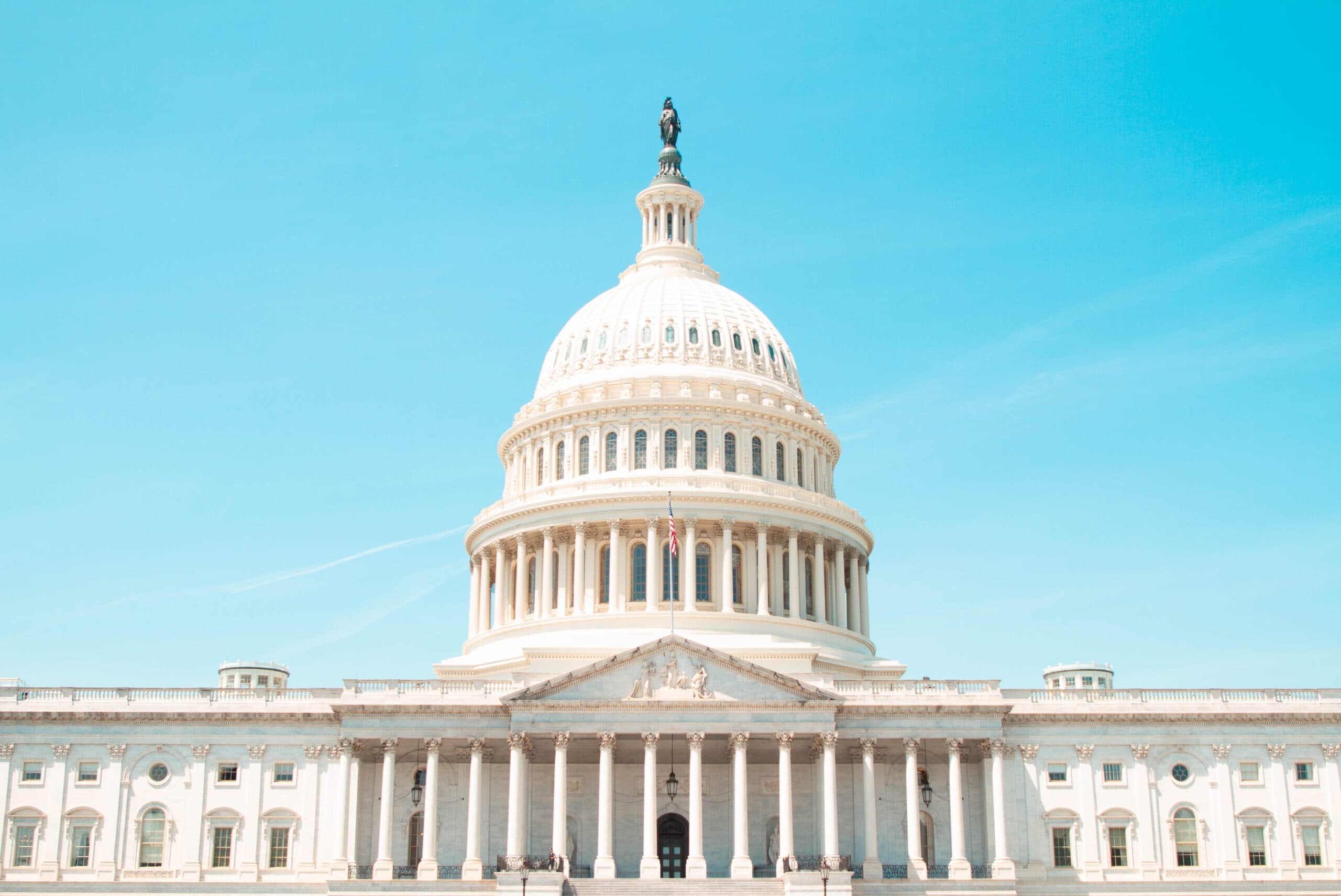
Washington, D.C., April 28, 2026 — SIFMA today submitted a letter for the record ahead of a House Financial Services Committee hearing, “Prioritizing Main Street: Evaluating the Impact of Capital Proposals on Economic Growth and American Communities,” highlighting key priorities policymakers should address as they consider recently proposed changes to the U.S. bank capital framework.
In the letter, SIFMA recognized that the Federal Reserve, Office of the Comptroller of the Currency and Federal Deposit Insurance Corporation made meaningful improvements in their current capital proposals compared with earlier proposals issued in 2023. However, additional refinement is needed to ensure capital requirements accurately reflect risk and continue to support well-functioning capital markets.
“SIFMA strongly supports a bank capital framework that is calibrated to actual risk exposures, ensuring that the resulting capital requirements are neither excessively conservative nor misaligned with underlying risks arising from large banks’ capital markets related activities,” the letter states.
The letter outlined several priorities to consider as regulators move forward:
- Ensure appropriate calibration of the overall capital framework so requirements align with actual risk and avoid excessive conservatism.
- Recognize diversification benefits under the Fundamental Review of the Trading Book (FRTB) to better reflect the reduced risk of diversified portfolios.
- Fully account for cross-product netting and cross-margining, which help reduce systemic risk and improve capital efficiency—particularly in U.S. Treasury markets.
- Exempt derivatives used by commercial end users from Credit Valuation Adjustment (CVA) capital requirements, ensuring businesses can continue accessing tools to hedge operational risks.
- Tailor capital requirements based on systemic risk profiles, ensuring smaller and lower-risk institutions are not subject to disproportionate regulatory burdens.
SIFMA noted that overly conservative capital requirements could reduce market liquidity, limit innovation and increase costs for businesses and investors.
“Efficient netting and margining are foundational for reducing systemic risk and ensuring that Treasury markets remain robust and resilient, supporting broader financial stability and the functioning of the U.S. capital markets,” the letter states.
SIFMA also emphasized that commercial end users rely on derivatives to manage risks tied to interest rates, commodities and foreign exchange exposure, and warned that unnecessary capital charges could make those tools more expensive and less accessible.
“SIFMA stands ready to collaborate with policymakers, including Congress, to advance these priorities and ensure the effective implementation of the 2026 proposals,” the letter concludes. “By embracing these recommendations, policymakers can promote a regulatory environment that encourages responsible risk management, supports innovation in financial products and services, and safeguards the interests of both market participants and the broader economy.”
The full submission is available here: https://www.sifma.org/advocacy/letters/hfsc-hearing-on-capital-proposals-economic-impact
-30-
SIFMA is the leading trade association for broker-dealers, investment banks and asset managers operating in the U.S. and global capital markets. On behalf of our industry’s one million employees, we advocate on legislation, regulation and business policy affecting retail and institutional investors, equity and fixed income markets and related products and services. We serve as an industry coordinating body to promote fair and orderly markets, informed regulatory compliance, and efficient market operations and resiliency. We also provide a forum for industry policy and professional development. SIFMA, with offices in New York and Washington, D.C., is the U.S. regional member of the Global Financial Markets Association (GFMA).